Multi-Time-Zone Telegram Channel Strategy: 3 Ways to Post
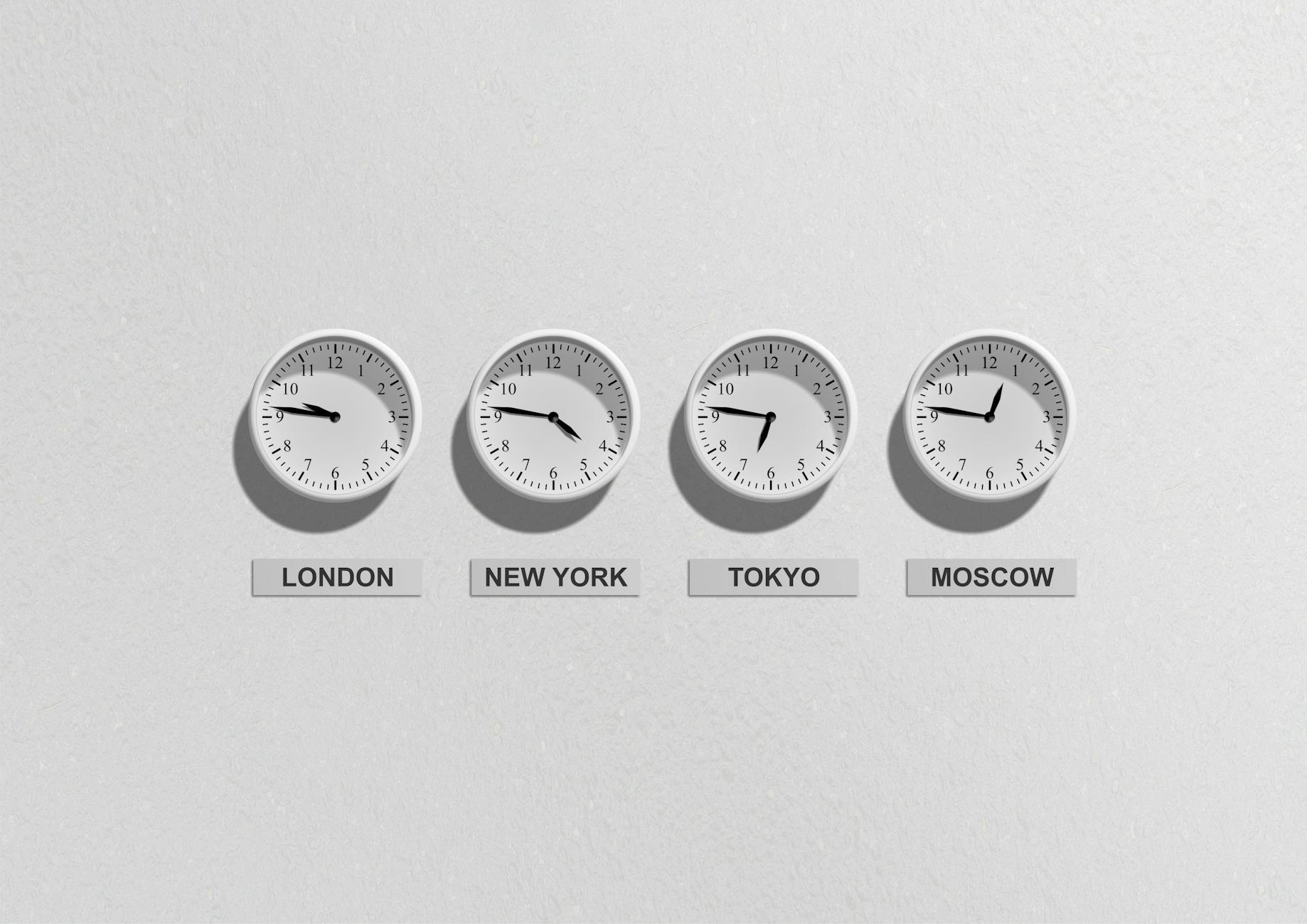
Your Telegram audience spans several time zones. Compare split posting, one shared window and one channel per language, and pick by your data.
Articles on measuring a Telegram channel: which metrics to read, how to compare engagement rate with views, when to post, how to test two versions of a post and how to attribute earnings to the source of a subscriber. Autogram includes basic analytics on the Free plan, standard analytics on paid plans and advanced analytics on Pro and Business. Treat the benchmarks and time windows as a starting point and check them against your own channel. The articles explain how to measure. They do not promise more views, reactions or subscribers.

Your Telegram audience spans several time zones. Compare split posting, one shared window and one channel per language, and pick by your data.

UTM tags don't work on Telegram — the Bot API drops invite-link data for most public-channel joins. Here's the per-source invite-link method that actually attributes revenue to posts.

Telegram Star Reactions let your audience pay to react to your posts — and you keep 100% of the Stars. Here's the pricing strategy, revenue benchmarks, and setup guide every channel operator needs.

You can't split-test a single Telegram channel the way you split an email list. Here's the controlled sequential method that actually works — and how to read the result.

Raw views and subscriber counts are vanity metrics on Telegram. Engagement rate — reactions, comments, and forwards over reach — is the number advertisers actually pay for.

The 1pm-4pm and 6pm-10pm windows are a starting point, not an answer. Here is how to segment by niche, time zone, and content type — and how to measure your own peak window.

Telegram channel analytics benchmark in plain numbers — ERR, view velocity, forward rate, subscriber growth — with realistic per-niche targets and how to pull them.