Multi-Time-Zone Telegram Channel Strategy: 3 Ways to Post
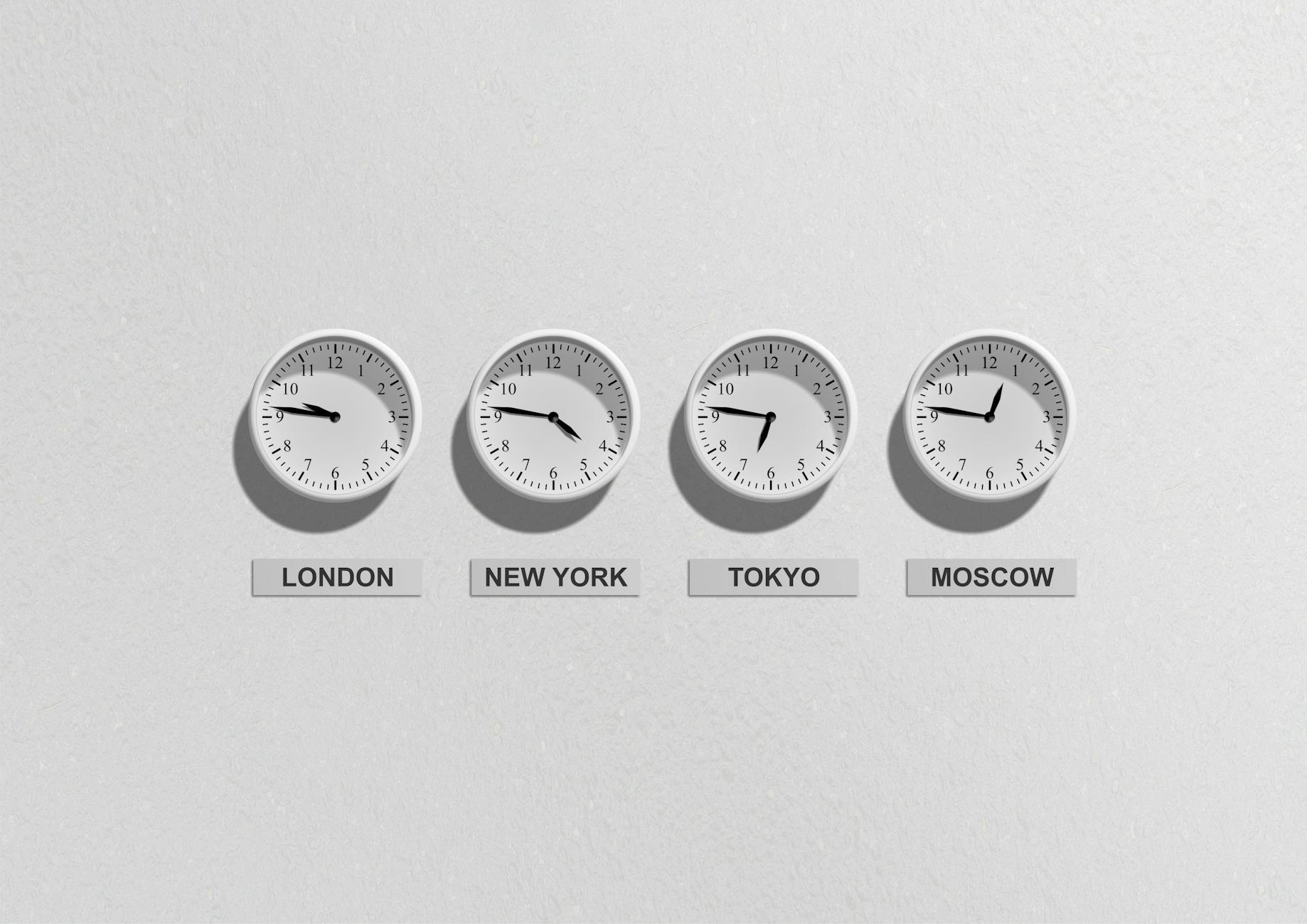
Multi-Time-Zone Telegram Channel Strategy: 3 Ways to Post
TL;DR. If your subscribers live in more than one time zone, you have three options: split posts (send each post twice, once per cohort), one shared window (a single send at the overlap), or one channel per language. Start with one shared window. Move to split posts only when your own statistics show two separate activity peaks. Choose a channel per language only when the audiences also differ in language. Then schedule Telegram posts so the plan runs without you.
Plan your multi-time-zone queue with Autogram scheduling — it is the same tool whichever of the three options you pick.
Why one posting time stops working
Telegram passed 1 billion monthly active users, Pavel Durov said on 19 March 2025. A channel on a platform that size rarely keeps a single-city audience. A channel in Russian or Ukrainian can reach readers in Kyiv, Warsaw, Berlin, Toronto and New York at once.
Most "best time to post" advice assumes one time zone. Our guide on the best time to post on a Telegram channel covers that case. This article starts where it ends: the audience is spread out, and no single hour is good for everyone.
What do you measure first?
Measure where your readers are and when they read, before you pick a strategy. A strategy chosen without data is a guess.
Telegram's channel statistics API exposes a top-hours graph for broadcast channels. Open your channel statistics, find the hours view, and read it for the last few weeks, then answer three questions:
- Does the graph show one peak or two?
- Do the two peaks sit more than five hours apart?
- Do the readers in each peak speak the same language?
In our experience these three answers decide the strategy. The table shows how.
| Your data shows | Best fit | Why |
|---|---|---|
| One broad peak, one language | Shared window | One send reaches most readers |
| Two clear peaks, one language | Split posts | Each cohort gets a fresh post at its own prime time |
| Peaks match different languages | Channel per language | Language, not time, is the real split |
Option 1: one shared window
You publish each post once, at the hour where the reading hours of your main cohorts overlap. For Kyiv and New York this overlap is short. It sits in the Kyiv late afternoon and the New York morning.
Choose it when your audience is mostly in one region with a small tail elsewhere. It is the lowest effort, and every subscriber sees the same feed.
Watch out for: the compromise hour is nobody's favourite hour. Posts can land at the edge of the day for your largest cohort. Check the top-hours graph after two weeks. If the largest cohort reads outside your window, shift the window toward that cohort.
Option 2: split posts
You send each post twice, or send a lightly edited version, once per cohort. Each cohort gets the post at its own prime time.
Choose it when two cohorts of similar size read at clearly different hours and share a language.
Watch out for: readers who sit in both cohorts see the same post twice. Reduce the repeat in two ways:
- Rewrite the opening line of the second send, so it reads as a follow-up and not a duplicate.
- Split by content type: news goes out in the first window, the evergreen guide or the recap goes out in the second.
This is the option that needs scheduling most. Sending by hand at 07:00 and 19:00 every day is the "manual posting" trap. A queue removes it: every post and its second send are set once, in advance.
Photo by Marina Leonova on Pexels
Option 3: one channel per language
You run one channel for each language, and each channel posts in the prime hours of its own region. Time zones stop being a problem because each channel has a mostly local audience.
Choose it when your audience splits by language as well as by time. A reader who only speaks one language gains nothing from posts in the other.
Watch out for: you now have several channels to feed. Treat the channels as separate publications with their own tone. Our guide on cross-channel posting covers when to copy a post across channels and when to adapt it.
Pitfalls and gotchas
- Daylight saving time moves your peaks. The EU ends daylight saving on the last Sunday of October, and the US ends it on the first Sunday of November. Ukraine follows the EU. In 2026 that means 25 October for Kyiv and 1 November for New York. For that one week the gap between the two cities is six hours, not seven. Re-check your queue after both dates.
- Telegram stores the schedule on the server. Each channel has its own server-side schedule queue, and a post goes out at the set time. Your phone can be off or in another time zone. Always confirm the time zone shown in your scheduling tool before you queue a week of posts.
- Do not judge a window after one day. One post is noise. Compare windows over at least two weeks of posts of the same type.
- Do not change two things at once. Move the window or change the format, not both, so you know what caused the change.
A simple test plan
- Read the top-hours graph for the last four weeks.
- Pick one option from the table above.
- Queue two weeks of posts with the new times. Use Autogram scheduling or the scheduler you already have.
- Compare views per post in the new windows with the previous two weeks.
- Keep the option, or move to the next one.
Photo by PNW Production on Pexels
Related reading
- Best Time to Post on Telegram Channel: A Niche-Segmented Guide — find the best hour for a single time zone first.
- Cross-Channel Telegram Posting Strategy: Fan Out or Differentiate? — decide how much to copy between language channels.
- Editorial Calendar for Telegram: Plan 6 Months of Content — turn the chosen option into a long-range plan.
FAQ
What is the best posting time for a Telegram channel with a global audience?
There is no single best time. Read the top-hours graph in your channel statistics. One peak means you can use one shared window. Two peaks mean split posts may pay off.
Should I post the same message twice for two time zones?
Only when two cohorts of similar size read at different hours and speak the same language. Change the opening line of the second send, or split by content type, so repeat readers do not see an exact duplicate.
When should I create a separate Telegram channel per language?
Create one when your audience splits by language as well as by time zone. Readers then get posts in their own language at their own prime hours.
Does a scheduled post depend on my phone's time zone?
No. Telegram keeps each channel's schedule in a server-side queue, and the post goes out at the set time. Still, check the time zone shown in your scheduling tool before you queue posts.
How does daylight saving time affect my posting schedule?
It shifts the gap between cities by an hour for a short period. In 2026 the EU and Ukraine change on 25 October and the US on 1 November. Re-check your queue after both dates.
How can I schedule Telegram posts for several time zones?
Set the exact send time for each post in advance, and give the second send of a split post its own time. Autogram scheduling lets you write a post and choose when it publishes. For plan limits, see the pricing page.
Bottom line
Pick the simplest option your data supports: a shared window first, split posts when two peaks appear, a channel per language when language splits too. Then queue the posts so the plan runs on its own. Schedule Telegram posts with Autogram and review the numbers after two weeks.
Image credits
- Hero: Pixabay on Pexels
- Globe: Marina Leonova on Pexels
- Planner: PNW Production on Pexels
Related posts

Telegram Channel ROI Tracking: What Your Posts Actually Earn
UTM tags don't work on Telegram — the Bot API drops invite-link data for most public-channel joins. Here's the per-source invite-link method that actually attributes revenue to posts.

Telegram Paid Reactions: Pricing Strategy and Revenue Data for Channel Operators
Telegram Star Reactions let your audience pay to react to your posts — and you keep 100% of the Stars. Here's the pricing strategy, revenue benchmarks, and setup guide every channel operator needs.

How to A/B Test Your Telegram Channel Posts
You can't split-test a single Telegram channel the way you split an email list. Here's the controlled sequential method that actually works — and how to read the result.
Subscribe to our newsletter
Get the latest Telegram growth tips, automation strategies, and platform updates delivered to your inbox.
Or follow our Telegram channel